Level 2 vs Level 3 Survey: Which One Should You Choose?
Buying a property is a major financial decision, so understanding its condition before you commit is important. Many buyers ask the same question early on: should I get a Level 2 or Level 3 survey?
A mortgage lender may arrange a valuation, but that is not the same as a survey. A valuation is mainly for the lender's benefit and is focused on the property's value for lending purposes. A survey is there to help you, the buyer, understand the condition of the building, spot visible defects, and decide whether there are risks or repair costs you need to know about before moving forward.
For most buyers, the choice comes down to two survey options:
Both involve a visual inspection of the property, but the scope, level of detail, and type of advice can differ significantly.
Your survey options: Level 2 or Level 3
If you are comparing a Level 2 or Level 3 survey, the right choice usually depends on four things:
- the age of the property
- the type of construction
- the visible condition of the building
- how much detail you want before exchange
A Level 2 Survey is generally suited to more conventional properties in reasonable condition.
A Level 3 Survey is the more detailed option and is often the safer choice for older, larger, altered, or more complicated homes.
What is a Level 2 survey?
A Level 2 Survey gives a clear overview of the property's condition. It is designed to flag visible defects, highlight repairs or maintenance issues, and point out anything that may need further attention.
In most cases, a Level 2 Survey is suitable for:
- homes built using standard construction
- newer or more straightforward properties
- flats and houses that appear to be in reasonable condition
- buyers who want a practical condition report without the depth of a full building survey
A Level 2 Survey usually covers the building's visible condition, repair issues, maintenance concerns, and any points your legal adviser may need to check further.
What is a Level 3 survey?
A Level 3 Survey is the most detailed survey usually chosen by residential buyers. It is designed for properties where a higher level of inspection and reporting is appropriate.
A Level 3 Survey is often recommended for:
- older homes
- period properties
- larger or more complex buildings
- homes that have been extended or significantly altered
- properties in visibly poor condition
- buildings with non-standard construction
- buyers planning renovation or structural work
A Level 3 Survey gives a fuller explanation of visible defects, likely causes, implications, and areas where further investigation or repair may be needed. For many buyers, the extra detail is what makes a Level 3 Survey worth considering.
Should I get a Level 2 or Level 3 survey?
This is one of the most common questions buyers search for.
As a simple rule:
A Level 2 Survey is usually enough if:
- the property is fairly standard
- it appears to be in decent condition
- there are no obvious signs of major structural issues
- the building has not been heavily altered
A Level 3 Survey is usually the better choice if:
- the property is older
- it has been extended or converted
- the condition looks tired or uncertain
- the construction is unusual
- you want more reassurance before committing
If you are unsure, it often helps to think less about the cheapest option and more about the level of risk in the property you are buying.
What is the difference between a Level 2 and Level 3 survey?
The main difference between a Level 2 and Level 3 survey is depth.
A Level 2 Survey is a condition-focused report designed to give a practical summary.
A Level 3 Survey is more detailed and is intended to give a deeper understanding of the building and its defects.
In simple terms:
- Level 2 = overview and condition summary
- Level 3 = more detailed building analysis
Both are visual inspections, but the written reporting and level of detail are usually different.
How inspection detail can differ
The difference between a Level 2 survey vs Level 3 survey is not only about the report length. It is also about how much detail is usually recorded during the inspection.
Roof spaces
Both surveys include a visual inspection of accessible roof spaces where safe access is available.
A Level 2 Survey will usually summarise the visible condition and highlight obvious concerns.
A Level 3 Survey is more likely to go further in describing visible issues in more detail, particularly where there are signs of water ingress, deterioration, or areas that may require closer attention.
Windows and doors
A Level 2 Survey will usually identify visible defects and general maintenance concerns affecting windows and doors.
A Level 3 Survey will usually provide fuller commentary on condition, operation, deterioration, and visible repair needs where relevant.
Services such as electrics and heating
Surveyors do not carry out specialist tests on electrics, gas, or plumbing as part of either survey. However, both reports can still comment on visible condition, age indicators, suitability, and whether specialist checks are advisable.
A Level 3 Survey will normally provide more explanation and context in this area than a Level 2 Survey.
Other differences between a Level 2 and Level 3 report
Level of detail
A Level 2 report is intended to help the buyer understand the main issues affecting the property without going into unnecessary depth.
A Level 3 report is more detailed and is often more useful where the buyer wants a stronger understanding of:
- the seriousness of defects
- possible causes
- likely future maintenance
- further investigations that may be sensible
Time and reporting depth
One of the practical reasons a Level 3 Survey costs more is that it usually involves more time and more detailed reporting. More time generally means more explanation, more observations, and more context.
Repair and remedial context
A Level 3 Survey is often more useful where buyers want a clearer picture of repair priorities and the likely scale of works. A Level 2 Survey may still flag these issues, but it is normally more concise.
Not sure which survey is right for your property?
Send an enquiry and get guidance on whether a Level 2 or Level 3 survey is the better fit.
Get a Free QuoteDoes a Level 2 or Level 3 survey include a valuation?
This is another very common search topic.
The short answer is: not always.
If you are searching for mortgage valuation vs survey, it is important to understand that a mortgage valuation is a separate service from a condition survey.
A valuation is mainly for the lender. A survey is for the buyer.
So if you are asking:
- does a Level 2 survey include a valuation?
- does a Level 3 survey include a valuation?
the answer depends on the service you order. You should never assume a valuation is included unless it is clearly stated.
What matters most for most buyers is that a valuation does not replace a survey.
Mortgage valuation vs survey: what's the difference?
A mortgage valuation vs survey comparison is important because many buyers assume they are getting more than they actually are.
A mortgage valuation is usually:
- brief
- for the lender
- focused on lending risk and value
A survey is usually:
- more detailed
- focused on condition
- designed to help the buyer understand defects and risks
So if you are choosing between relying only on a valuation or paying for a survey, the safer route is usually to get the survey that matches the property you are buying.
Level 2 or Level 3 survey for a Victorian terrace
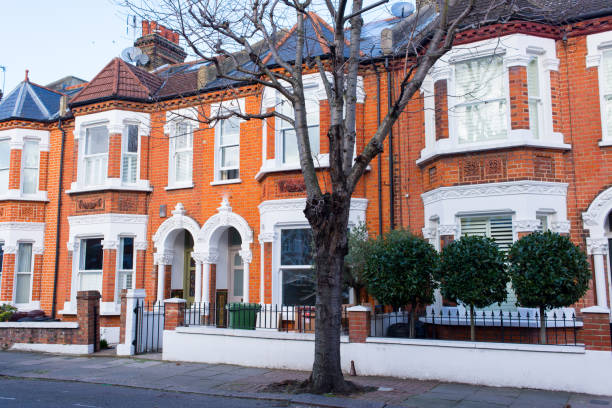
This is one of the strongest real-world examples.
If you are buying a Victorian terrace, a Level 3 Survey is often worth serious consideration. Older terraced homes can come with issues such as:
- damp
- ageing roofs
- timber concerns
- movement
- outdated repairs
- hidden problems from past alterations
That does not mean every Victorian terrace automatically needs a Level 3 Survey. But if the property is older, altered, or visibly worn, the extra detail of a Level 3 Survey is often more useful than a Level 2.
Level 2 vs Level 3 survey cost
When comparing Level 2 vs Level 3 survey cost, the Level 3 option is usually more expensive.
That reflects the extra detail and the greater level of reporting involved.
The cost of either survey can vary depending on:
- property size
- age
- location
- construction type
- complexity
- condition
A Level 2 Survey is generally the more affordable option.
A Level 3 Survey usually costs more, but for the right property that extra cost can be justified if it gives you better information before you commit.
Is a Level 3 survey worth it?
For the right property, yes.
Many buyers search "is a Level 3 survey worth it" because they want to know whether the extra cost is justified.
A Level 3 Survey is often worth it if:
- the property is older or more complex
- repairs could be expensive
- you are stretching your budget
- the building has been altered
- you want more reassurance before exchange
For a straightforward modern property, a Level 2 Survey may be enough. But for a riskier or older building, a Level 3 Survey can provide a level of detail that helps reduce uncertainty.
So, which survey should you pick?
If the property is fairly straightforward, appears to be in good condition, and is built using conventional methods, a Level 2 Survey may be suitable.
If the property is older, more complicated, altered, unusual, or visibly in poorer condition, a Level 3 Survey is usually the safer choice.
Some buyers also choose a Level 3 Survey even where a Level 2 may have been enough, simply because they want a more detailed understanding of the building before committing.
Final thoughts on Level 2 vs Level 3 surveys
Choosing between a Level 2 vs Level 3 survey comes down to the property, the level of risk, and the amount of detail you want before buying.
A Level 2 Survey is often right for more standard homes in apparently reasonable condition.
A Level 3 Survey is often better for older, altered, larger, more complex, or more uncertain properties — and for buyers who want more in-depth advice before proceeding.
Many buyers look online for opinions, but every property is different. What is right for one home may be wrong for another. That is why the age, condition, and construction of the actual property matter more than a general forum answer.
If you are still unsure whether you need a Level 2 or Level 3 survey, it helps to look at the building honestly and choose the option that matches the level of risk.
Frequently asked questions
Should I get a Level 2 or Level 3 survey?
Choose a Level 2 Survey for a fairly standard property in decent condition. Choose a Level 3 Survey for an older, altered, unusual, or more complex property, or where you want more detailed advice.
What is the difference between a valuation and a survey?
A valuation is mainly for the lender and focuses on value. A survey is for the buyer and focuses on condition, defects, and risk.
Does a Level 2 survey include a valuation?
Not necessarily. You should always check exactly what service is being provided.
Does a Level 3 survey include a valuation?
Not necessarily. A valuation should only be assumed if it is specifically included.
Is a Level 3 survey worth it?
It often is for older, altered, or more complex properties, or where repair costs could be significant.
Level 2 or Level 3 survey for a Victorian terrace?
A Victorian terrace often leans more toward a Level 3 Survey, especially if it has been altered or shows signs of age-related issues.
Still unsure which survey is right for your property?
Send an enquiry and get guidance on whether a Level 2 or Level 3 survey is the better fit.
Thank You!
Your enquiry has been sent successfully. We will connect you with a suitable surveyor shortly.