Property Survey in Leytonstone
Expert advice for Upper Leytonstone villas and Bushwood conservation area terraces.
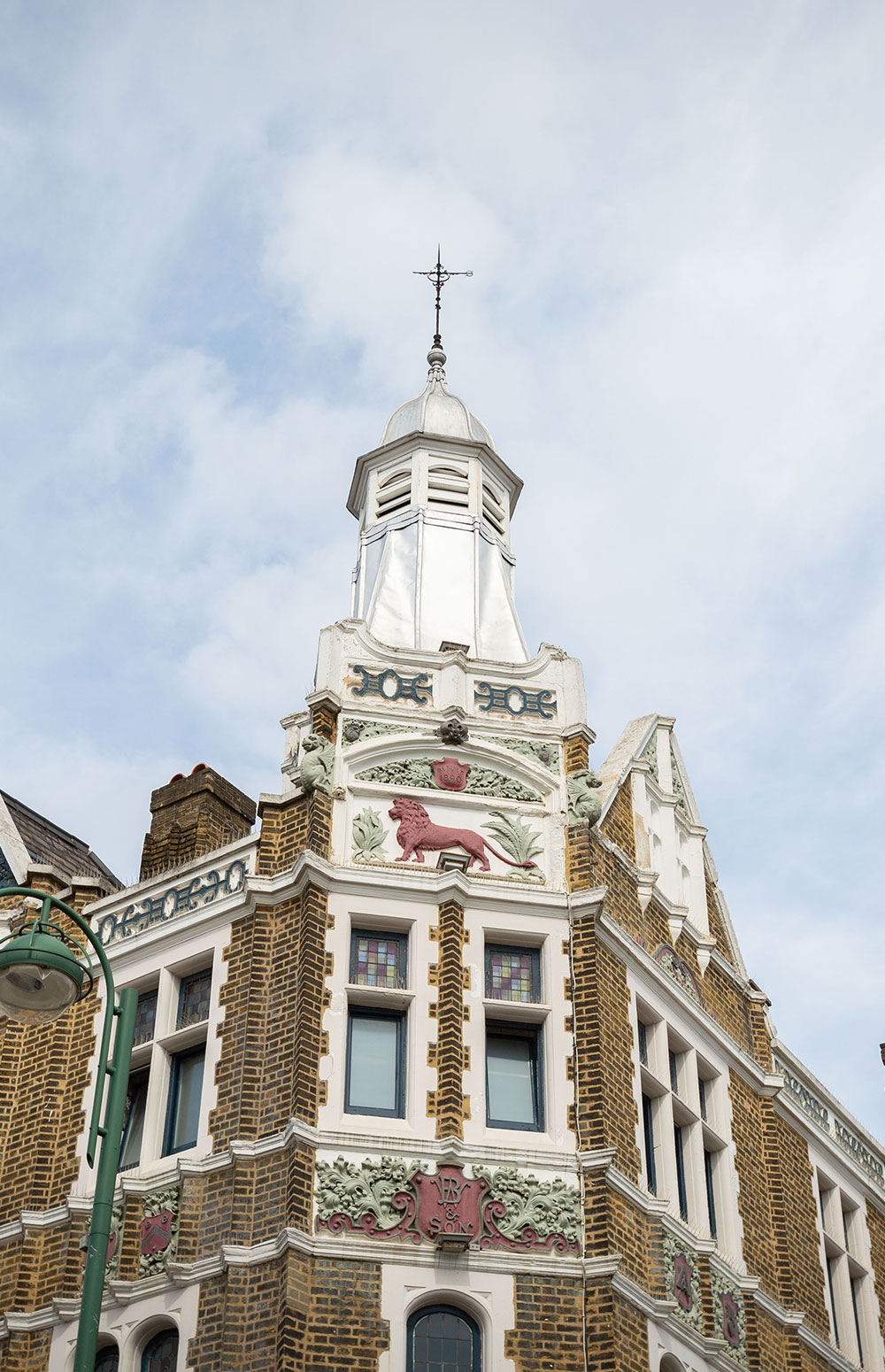
Why survey a property in Leytonstone?
Buying a property in Leytonstone? From the grand Victorian villas of Upper Leytonstone to the protected terraces of the Bushwood Conservation Area, E11 has a diverse property landscape. A professional survey is the only way to uncover hidden defects like historic settlement or roof spread before you buy.
Leytonstone (E11) is defined by its distinct pockets of character, from the grand houses around Hollow Ponds to the bustling streets of South Leytonstone. This diversity in housing stock requires expert local knowledge to properly assess condition and value.
With many properties being Grade II listed—like those around St John's Baptist Church—or situated in Conservation Areas, ensuring compliance with planning regulations is a critical part of the survey process.
Local Property Insight
Bushwood Area
A Conservation Area with unique Victorian terraces. Your surveyor will check for unauthorized alterations that breach conservation rules.
Upper Leytonstone
Large, often detached or semi-detached period homes. Common issues include roof spread and settlement.
Wanstead Flats Border
Properties near the flats can be susceptible to clay-soil subsidence, especially after dry summers.
Flat Conversions
Many large houses are now flats. Your surveyor will pay close attention to soundproofing and fire separation between units.
Common Survey Findings in E11
- Damp Penetration: Particularly in basements and lower ground floors of grander Victorian houses.
- Brickwork Spalling: Where softer Victorian bricks have been inappropriately pointed with cement mortar.
- Roof Structure: Original slate roofs often lack felt underlay (sarking), leading to leaks and timber decay.
Frequently Asked Questions in Leytonstone
I'm buying in Bushwood Conservation Area, what survey do I need?
For properties in Conservation Areas like Bushwood, we generally recommend a RICS Level 3 Building Survey. This allows us to check for unauthorised alterations and advise on the maintenance of heritage features.
How much does a property survey cost in Leytonstone?
Survey fees typically range between £400 and £1,600, depending on the property size, age, construction type, and the level of inspection required. Exact pricing is set by the surveyor based on the specific property.
Do you check the roof?
Yes, your surveyor will inspect roof coverings, chimneys, and gutters from ground level or with binoculars/pole cameras. They will also inspect the roof void (loft) if safe access is available.
Frequently Asked Questions
1. Do I need a property survey in Leytonstone before buying a home?
Yes, obtaining an independent property survey in Leytonstone is highly recommended before exchanging contracts to identify defects that could be costly to repair. Many properties in the area, such as Victorian terraces and period conversions, are over a century old and frequently suffer from age-related issues like damp, timber decay, or roof spread. A mortgage valuation is purely for the lender's benefit and will not provide you with a detailed analysis of the building's structural condition. By commissioning a RICS Level 2 HomeBuyer Survey or RICS Level 3 Building Survey, you gain a clear understanding of the property's true state, allowing you to budget for repairs or renegotiate the purchase price if necessary.
2. What type of property survey is best for homes in Leytonstone?
The most suitable survey depends on the age, condition, and type of property you are purchasing in Leytonstone. For standard Victorian terraces or flats built after 1880 that appear in reasonable condition, a RICS Level 2 HomeBuyer Survey is often sufficient to highlight common maintenance issues. However, if you are buying a much older property, a "doer-upper" in the area, or a home with significant structural alterations, a comprehensive RICS Level 3 Building Survey is the better choice. This detailed report provides an in-depth analysis of the fabric of the building and is essential for older housing stock where hidden defects are more likely.
3. How much does a property survey cost in Leytonstone?
Survey fees typically range between £400 and £1,600, depending on the property size, age, construction type, and the level of inspection required. Older, larger, or non-standard properties may require more detailed inspection, which can increase the cost. Final fees are confirmed by the appointed surveyor after reviewing the property details.
4. What is the difference between a HomeBuyer Survey and a Building Survey?
A RICS Level 2 HomeBuyer Survey is a mid-level inspection suitable for conventional properties in Leytonstone that are in reasonable condition, using a traffic-light system to rate defects. It covers major issues like damp and subsidence but is non-intrusive, meaning the surveyor will not lift floorboards or drill holes. In contrast, a RICS Level 3 Building Survey is a comprehensive, in-depth investigation ideal for older, larger, or run-down properties in the area. This report provides detailed advice on defects, repair options, and estimated costs, making it the preferred option for historic homes or those requiring significant renovation work.
5. How long does a property survey take in Leytonstone?
A professional property survey in Leytonstone typically takes between two to four hours on-site, depending on the size and complexity of the home. A standard RICS Level 2 HomeBuyer Survey on a flat or small terrace in the area might take around two hours, while a full RICS Level 3 Building Survey on a larger Victorian house could take up to four hours or more. After the physical inspection is complete, the surveyor will compile the findings into a detailed report. You can usually expect to receive the final digital document within 3 to 5 working days, giving you ample time to review the findings before proceeding.
6. Are property surveys different for older homes in Leytonstone?
Yes, surveying older homes in Leytonstone requires specific expertise due to their age and construction methods, such as solid brick walls and slate roofs. These properties are prone to specific defects like rising damp, woodworm, and movement in the original shallow foundations. A surveyor familiar with local housing stock will specifically look for issues common to the area, such as "butterfly" roof valleys that can leak or failure in the original lime plaster. Because of these potential complexities, a RICS Level 3 Building Survey is often recommended for Victorian terraces to ensure every aspect of the historic fabric is thoroughly assessed.
7. Do flats in Leytonstone require a different type of survey?
Surveying flats in Leytonstone involves checking specific elements related to leasehold and shared responsibilities. While the inspection covers the interior condition of the flat, the surveyor will also assess the general condition of communal areas, the roof, and external walls, as these are often shared maintenance liabilities. For purpose-built flats or conversions in the area, a RICS Level 2 HomeBuyer Survey is usually appropriate. However, it is crucial to understand the lease terms regarding repairs, and your surveyor will highlight physical defects that could result in high service charges or maintenance bills.
8. Can a property survey identify damp and structural issues?
Yes, a primary function of a property survey in Leytonstone is to identify visible signs of damp, rot, and structural movement. Surveyors use moisture meters to detect rising or penetrating damp, which is a frequent issue in the solid-walled Victorian properties of the area. They will also look for evidence of subsidence, settlement, or roof spread that could threaten the building's stability. If significant moisture issues are found, the report may recommend a further specialist Damp Survey to diagnose the exact cause. Identifying these problems early is vital for protecting your investment and ensuring the property is safe to live in.
9. Will a property survey help me renegotiate the purchase price?
A professional property survey is a powerful tool for renegotiation if significant defects are uncovered in your prospective Leytonstone home. If your RICS Level 2 or Level 3 report identifies urgent repairs—such as a new roof, damp proofing, or rewiring—you can use these findings to request a reduction in the asking price to cover the costs. Sellers in Leytonstone are often willing to adjust the price rather than lose a sale, especially when presented with independent evidence from a RICS surveyor. This can potentially save you thousands of pounds and ensures you pay a fair market value reflecting the property's true condition.
10. Is a mortgage valuation the same as a property survey?
No, a mortgage valuation is not the same as a comprehensive property survey and should not be relied upon for assessing condition. A valuation is a brief inspection carried out on behalf of the lender to confirm the property in Leytonstone is worth the loan amount. It typically lasts less than 30 minutes and does not investigate structural defects, damp, or timber issues in detail. To fully protect your interests, you should commission your own independent RICS Level 2 HomeBuyer Survey or RICS Level 3 Building Survey. This ensures you are fully informed about the physical state of the home, not just its monetary value.
11. When should I book a property survey during the buying process?
You should book your property survey in Leytonstone as soon as your offer has been accepted by the seller. Ideally, this should be done before you instruct solicitors to incur significant costs or finalize your mortgage application. Getting the survey done early in the process gives you time to review the findings, investigate any specific issues like damp or subsidence, and renegotiate the price if needed. In the fast-moving local property market, booking promptly ensures there are no unnecessary delays to your exchange of contracts and keeps the transaction moving smoothly.
12. What should you look for in a qualified property surveyor?
A qualified property surveyor in Leytonstone will hold relevant professional qualifications and adhere to strict industry standards. Look for surveyors who carry professional indemnity insurance, which offers you protection if negligence occurs. Whether you need a HomeBuyer Survey or a full Building Survey, choosing a qualified, experienced surveyor ensures the report meets the highest industry standards. This quality assurance provides peace of mind that your Leytonstone property is being assessed by a competent and accountable expert.
13. Are property surveys mandatory in the UK?
Property surveys are not legally mandatory for homebuyers in the UK, but skipping one is a significant risk, especially with older housing stock in Leytonstone. While your mortgage lender will insist on a valuation, this is for their security, not yours. Without your own RICS Level 2 or Level 3 survey, you purchase the property "sold as seen" and become liable for any defects discovered after completion. Given the high cost of property in the area, the relatively small price of a survey acts as an essential insurance policy against unforeseen repair bills and structural problems in the future.
Ready to proceed?
Secure your investment in Leytonstone with a professional property survey.
Get Your Free Quote
Fill in your details below and we'll connect you with a professional property surveyor.
Thank You!
Your enquiry has been sent successfully. We will connect you with a suitable surveyor shortly.