My Walls Are Cracking – Should I Be Worried?
Spotting cracks in your walls can be worrying. Not every crack means structural damage — but some need professional attention.
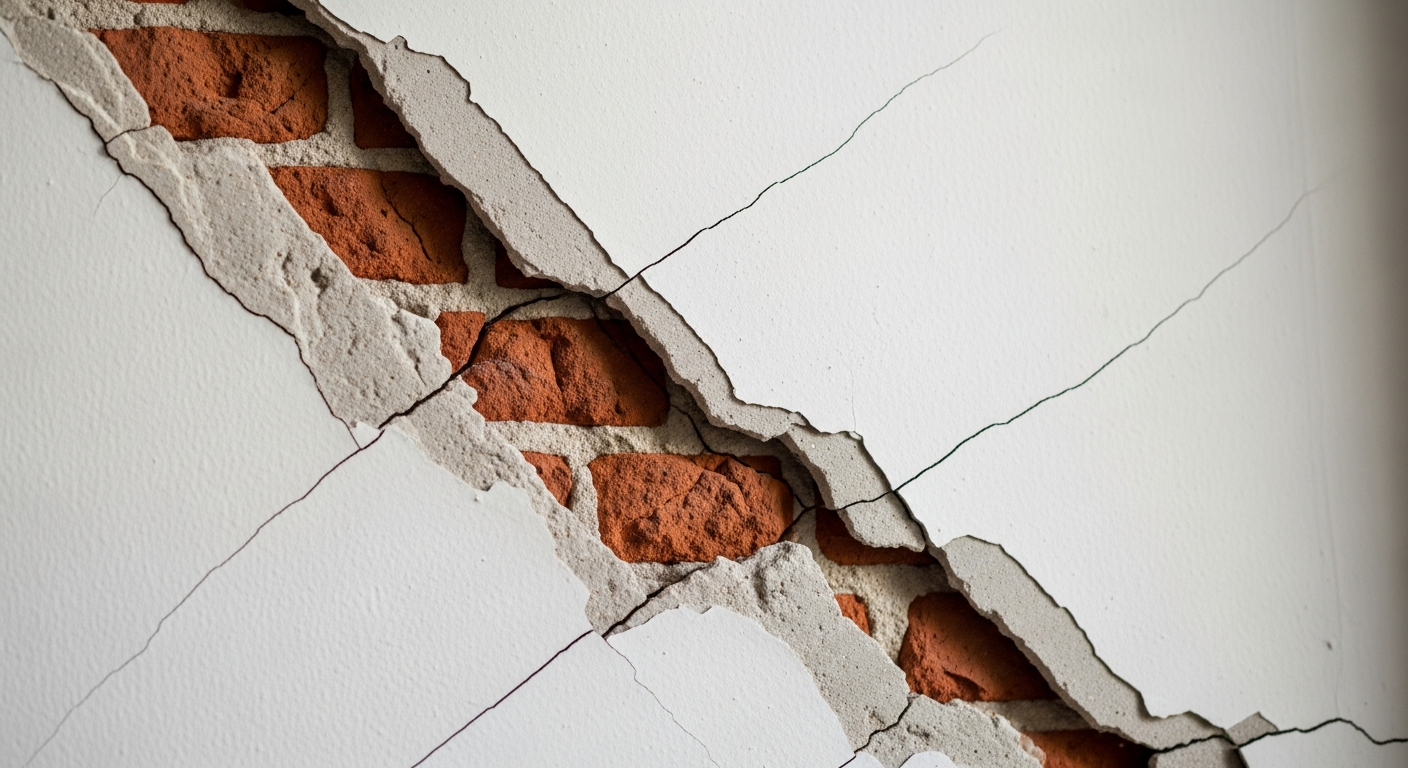
Spotting cracks in your walls can be worrying. For many homeowners, it immediately raises concerns about structural movement, repair costs, and whether the property is developing a serious problem.
The reality is that not every crack means there is major structural damage. Some cracks are cosmetic and develop through normal settlement, ageing materials, or seasonal movement. Others can point to deeper issues that need professional attention.
If you have noticed a crack in the wall and are unsure what it means, a home survey or defect survey can help assess the cause, the severity, and whether further action is needed.
Understanding the different types of wall cracks
Wall cracks can vary in shape, size, direction, and severity. Those differences often give useful clues about what may be causing them.
Horizontal cracks
Horizontal cracks are often treated more seriously than minor surface cracks because they can sometimes indicate pressure affecting the wall or movement that may impact structural stability.
If you notice a horizontal crack, especially one that appears to be widening or is accompanied by other signs of movement, it is sensible to seek professional advice.
Hairline cracks
Hairline cracks are small, fine cracks that often appear in plaster or decorative finishes. These are commonly caused by minor settlement, drying out, or normal movement in the building over time.
In many cases, hairline cracks are cosmetic rather than structural. However, they should still be monitored in case they worsen or begin to appear alongside other warning signs.
Stair-step cracks
Stair-step cracks usually appear in brickwork or blockwork and follow the mortar joints in a stepped pattern. These can sometimes suggest settlement or movement affecting the wall.
Because stair-step cracks can be associated with structural concerns, they are worth assessing properly rather than ignoring.
Vertical cracks
Vertical cracks are often seen near door frames, window openings, or the corners of walls. They are commonly linked to normal settlement or slight movement within the property.
These are not always serious, but if they widen, spread, or are accompanied by sloping floors, sticking doors, or visible distortion elsewhere, they may need closer investigation.
When should you consult a home surveyor?
Minor cracking does not always mean there is an urgent structural issue, but it is still important to deal with concerns early.
You should consider speaking to a home surveyor if:
- you notice horizontal cracks or stair-step cracks
- cracks appear suddenly or get worse quickly
- cracks are wider than expected or continue to spread
- you can see other signs of movement, such as sticking doors or uneven floors
- you are unsure whether the issue is cosmetic or structural
- you want an independent opinion before carrying out repairs or buying a property
Depending on the situation, a RICS Level 3 Building Survey or a more focused defect survey may be the right approach.
Worried about cracks in your property?
Get an independent opinion from a qualified surveyor. Send an enquiry and we'll connect you with the right professional.
Get a Free QuoteHow a home survey can help
A home survey can help identify the likely cause of the cracking and indicate whether more investigation or repair work may be needed.
A RICS Level 3 Building Survey can be useful where there are wider concerns about the condition of the property, while a defect survey may be more appropriate where the issue is more specific and focused on cracking or movement.
A survey can help show:
- whether the cracks are more likely to be cosmetic or structural
- whether any movement appears historic or ongoing
- whether specialist advice may be needed
- what the next sensible steps are
How wall cracks are assessed
When looking at the seriousness of wall cracks, several things are usually considered.
Size
The width and length of the crack matter. Fine surface cracks are usually less concerning than wider or expanding cracks.
Location
Cracks near windows, doors, ceilings, corners, or load-bearing walls may need closer attention than isolated cracking in finishes.
Pattern
The shape and direction of the crack can help indicate what may be causing it. Horizontal, vertical, and stair-step cracking can all suggest different types of movement or stress.
Associated symptoms
Cracks are often assessed alongside other visible warning signs, including:
- uneven floors
- sticking windows or doors
- gaps between walls and ceilings
- visible distortion in the wall
- movement in external brickwork
Are wall cracks always a sign of structural problems?
No — not always.
Many cracks develop through normal settlement, material shrinkage, temperature changes, or ageing finishes. However, some cracks can be an early warning sign of more serious movement, especially if they are widening, recurring, or appearing with other defects.
That is why it is important not to panic, but also not to dismiss them without checking.
Final thoughts
If you have noticed a crack in the wall, it is understandable to feel concerned. Your home is a major asset, and visible movement can be unsettling.
Some wall cracks will turn out to be cosmetic and relatively straightforward to deal with. Others may need further investigation and more specialist attention.
Understanding the types of wall cracks, recognising when they may point to something more serious, and knowing when to arrange a home survey are all important steps in protecting your property.
If you are unsure whether the cracking is minor or more serious, getting professional advice early can help you make a more informed decision and potentially avoid larger repair costs later.
Related reading
Concerned about your property's condition?
Send an enquiry and we'll connect you with an independent surveyor who can assess the issue.
Thank You!
Your enquiry has been sent successfully. We will connect you with a suitable surveyor shortly.