Leasehold Flat Survey: What It Covers and What It Does Not
A survey on a leasehold flat assesses the condition of the flat you are buying, plus the parts of the wider building and shared areas the surveyor can see and safely reach. It is not a structural survey of the whole block, it does not inspect external wall systems, and it does not read your lease.
For most conventional flats a RICS Level 2 is the right level. Converted and period flats often warrant Level 3.
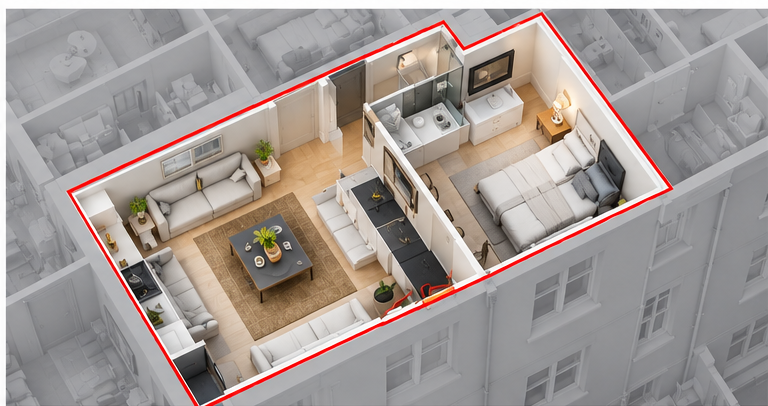
What is and is not covered
| Type | Covered |
|---|---|
| The flat itself, inside | Yes, all accessible and visible elements |
| Visible services within the flat | Yes, visually, with no testing at any level |
| Accessible shared areas and grounds | Reported so far as they can be seen and safely reached |
| The structure of the whole block | Not surveyed as a whole |
| External wall systems and cladding | Not inspected at any level |
| Lease length, service charges, reserve fund | Not covered. Matters for your conveyancer |
| Planned major works | Not covered, though a surveyor may note that something looks near the end of its life |
The scope comes from the RICS Home Survey Standard, published by RICS, the Royal Institution of Chartered Surveyors, so it does not vary from firm to firm. You will find pages online claiming a flat survey covers the communal areas, the lifts and your obligations under the lease. Treat that carefully. Accessible shared areas are reported so far as they are visible, which is a narrower thing.
Why a defect in the block is still your problem
This is the part most flat buyers miss, and it is the real reason a survey matters on a flat.
On a house, a failed roof is a repair bill you pay. On a flat, a failed roof is usually the freeholder's responsibility to fix and your responsibility to help pay for, through the service charge.
The government's guidance on leasehold service charges sets out how this works. Your lease determines what can be charged. The landlord is usually responsible for insuring the building, recovered through the service charge. You may have to pay into a reserve fund for unexpected repairs such as replacing the roof. And you have a right to be consulted about charges for running or maintaining the building where your contribution to planned work would be more than £250.
That consultation threshold is the mechanism by which a building defect becomes a personal bill. A surveyor cannot tell you what the works will cost or when they will be billed. But a surveyor noting that the main roof covering is near the end of its life, or that the communal decorations and brickwork are overdue attention, is telling you something financially important: a major works demand is likely, and you should ask the managing agent what is planned before you exchange.
So the survey and the legal enquiries work together. The survey tells you the building has a problem. Your conveyancer finds out who pays and when.
Which level does a flat need?
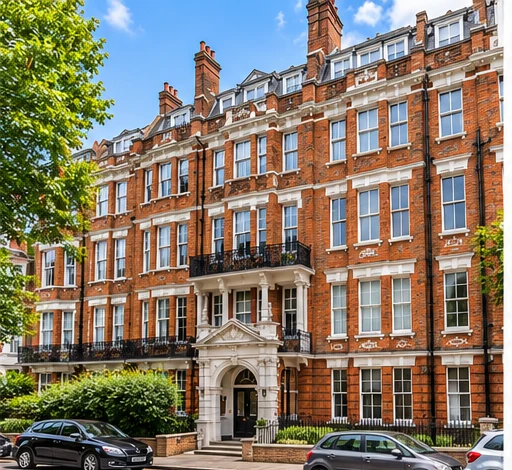
Level 2 is the usual answer
A RICS Level 2 HomeBuyer survey suits conventional property in reasonable condition that is simple in form and layout. A well-maintained purpose-built flat fits that description, and this is what most flat buyers commission.
Level 3 for converted and period flats
A Level 3 Building Survey goes further, establishing how the building is constructed, describing potential problems posed by hidden defects, and setting out repair options and timescales. That extra depth earns its cost where the flat sits in an older building that was not designed as flats.
Level 1 is rarely the right choice for a flat
It notes defects without advising on how to manage them and includes no repair or maintenance guidance. On a purchase where you need to understand future liabilities, that is usually too little.
The decision follows the same five factors RICS uses for any property: age, size, condition, complexity and originality. Our guide to what the surveyor can and cannot inspect sets out how scope changes between levels.
Converted flats are a different proposition
A large share of London's flats are Victorian and Edwardian houses divided up, often decades ago and sometimes informally.
That raises questions a purpose-built block does not:
- Was the conversion done properly, and were consents obtained?
- How is sound and fire separation handled between flats?
- Who owns and maintains the roof, the main structure and the garden?
- Are there shared services, such as a single boiler flue or common drainage?
- Has the original building been extended at the rear, and by whom?
Converted flats also inherit everything that comes with period construction: solid walls, lime mortar, suspended timber floors, original roof coverings and a century of alterations. Our guide to period conversions and what they involve covers that in detail.
If you are buying a flat in a converted house, treat Level 3 as the starting assumption and work down, rather than the reverse.
Cladding and building safety are a separate exercise
Be clear about this one, because it is the most consequential misunderstanding on the page.
External wall systems are not inspected as part of a RICS Home Survey at any level. If the surveyor has specific concerns they will recommend further investigation before you make a legal commitment, and until that is done they may not be able to provide a valuation figure. But the survey is not a cladding assessment and should never be relied on as one.
GOV.UK advises leaseholders in England to check whether they will have to pay to replace cladding or to fix other safety problems with their building. That check runs through your conveyancer, the managing agent and the freeholder, not through your surveyor.
Floor level changes what matters
Top floor
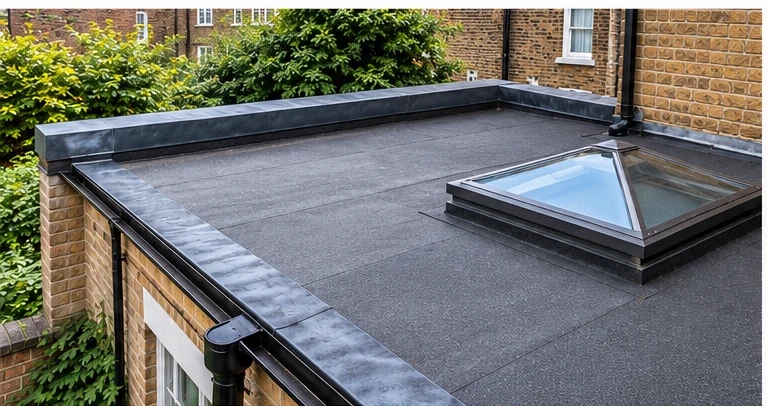
Roof condition becomes directly relevant to you, and water ingress shows up here first.
Ground floor
Damp, ground levels, sub-floor ventilation and security matter more. In converted houses the ground-floor flat often carries the rear extension and the garden.
Middle floors
Your main exposure is from neighbouring flats, particularly bathrooms and kitchens above. A surveyor can only report visible evidence of past leaks, not predict future ones.
Maisonettes
More external envelope than a single-level flat, so more to inspect and often more responsibility under the lease.
What it costs
A Level 2 on a conventional London flat typically runs from around £600, with Level 3 on a period conversion generally starting higher. Our guide to what a survey costs sets out the ranges by level.
Figures are indicative. The appointed surveyor confirms the fee once they have the property details.
Set against a service charge demand for major works, which can run to thousands, the survey fee is modest. That comparison is more relevant for flat buyers than the usual repair-cost argument.
What to ask before you instruct
- Tell the surveyor whether the flat is purpose-built or converted, and roughly when
- Say which floor it is on, and whether there is a flat roof below or above
- Mention anything you saw at the viewing in the communal areas, not just inside the flat
- Ask whether the surveyor has experience of the building type
- Ask your conveyancer in parallel for the service charge history, the reserve fund position and any planned major works
Those last two are the ones buyers forget. The communal areas tell you how well the building is managed, and the service charge accounts tell you what that management has cost.
Frequently asked questions
Do I need a survey on a leasehold flat?
It is not a legal requirement, but it is strongly recommended. You are buying a long-term interest in part of a building, and the condition of that building affects both your flat and your future service charges.
Does a flat survey cover the communal areas?
Partly. Accessible shared areas and grounds are reported so far as the surveyor can see and safely reach them. The block is not structurally surveyed, and external wall systems are not inspected.
Does the survey check my lease?
No. The surveyor does not act as a legal adviser and does not comment on legal documents. Reports include a section of matters for your legal adviser, which your conveyancer then follows up.
Will a survey tell me whether the building has dangerous cladding?
No. External wall systems fall outside the inspection at every level. Building safety and cladding run through your conveyancer, the managing agent and the freeholder.
Is a Level 2 enough for a flat?
Usually, for a conventional purpose-built flat in reasonable condition. Converted and period flats more often warrant Level 3.
Do I need a survey on a new build flat?
A condition survey adds less on a brand new property. A snagging inspection is generally the more useful spend, since unfinished or defective work is dealt with through the developer and the warranty.
Can a flat survey help me renegotiate?
It can, where it identifies defects within the flat. Issues in the common parts are harder to negotiate on, because they are the freeholder's to repair and yours to contribute towards.
Get a survey quote
Tell us whether the flat is purpose-built or converted, which floor it is on and roughly how old the building is, and we will take that into account when matching you with a surveyor.
This guide is general information and not legal advice. Your conveyancer should advise on the lease, service charges and building safety.