Is a House Survey Worth It?
For most purchases, yes. A survey is not a legal requirement in England, Wales or Northern Ireland, but it provides an independent professional assessment of the property's condition before you buy.
There are circumstances where a different type of inspection may be more useful, and they are set out further down.
The decision in one line
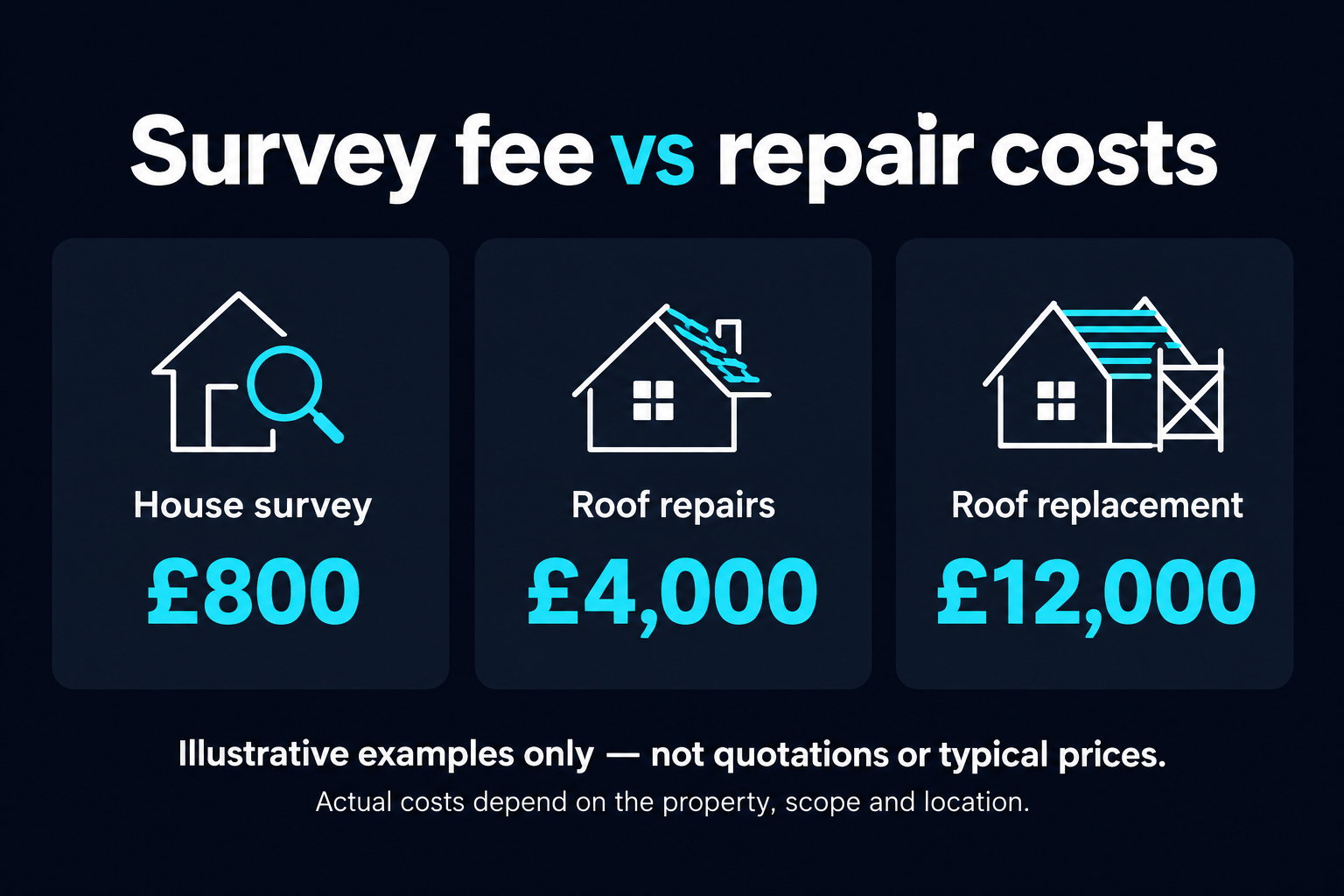
You are weighing a known survey fee against an unknown repair cost that could run to tens of thousands.
That is the core argument. You will know the survey fee before you commit to it. Without an appropriate inspection, significant repair needs may only become apparent after you have bought the property.
What you are actually buying
A survey buys information before you are legally committed, provided you arrange it and review the findings in time. Specifically:
- A professional assessment of the property's condition on the day of inspection.
- Identification of serious or urgent defects visible within the scope of the inspection.
- Recommendations where something needs further investigation before you commit.
- At Level 2 and above, advice on repairs and the maintenance the property will need.
An RICS Home Survey is carried out in accordance with the RICS Home Survey Standard. It is a defined professional service, rather than an informal opinion.
Two things it does not automatically buy are worth knowing now rather than being disappointed by later.
Repair cost estimates are not automatically included. Some surveyors offer them, particularly with a Level 3 survey, so confirm the scope before booking. Obtain written contractor quotations before relying on a repair budget.
It does not guarantee that every defect will be discovered. A survey is a visual inspection with real limits. Our guide to what you actually get for the fee sets out what falls inside and outside the inspection.
Your mortgage valuation does not cover you
A common reason buyers question the value of a survey is that their lender is already arranging a mortgage valuation, sometimes free of charge.
A valuation is a limited assessment so the lender can decide whether the property is adequate security for the loan. It is carried out for them, not as a detailed condition assessment for you. The government's guide to buying a home explains that a valuation does not protect you if something goes wrong with the property, and it may not even involve a physical inspection.
There may be problems that would be expensive to put right and that will not appear in the valuation at all.
The lender's mortgage valuation is separate from your buyer's survey and may be free or chargeable. Some buyer's survey packages also include an optional market valuation; check what you are purchasing.
An Energy Performance Certificate is not a survey either. It assesses energy efficiency, rather than providing a report on the property's overall condition.
What it costs, in proportion
As an indicative London guide, Level 1 fees can start from around £400, Level 2 fees can range from about £600 to £1,200, and Level 3 fees can start from around £800, rising with the property's size, complexity and the agreed scope. These are guide figures, not fixed quotations. Our guide to what a survey costs in London breaks it down.
Set that against a London purchase price, the stamp duty, and the cost of a single significant defect. Replacing a roof covering, addressing serious structural movement or carrying out a full rewire can cost several times the survey fee.
It is also worth saying what the evidence does and does not show. Research published by the HomeOwners Alliance in 2024 found that 30% of buyers who had a survey took action as a result of issues flagged. Actions included renegotiating the price, asking sellers to fix problems and obtaining repair quotations. Taking action is not the same as a guaranteed financial saving.
Separately, research published by Direct Line Home Insurance in June 2026 found that 21% of homebuyers surveyed in England, Wales and Northern Ireland had not commissioned a property survey when purchasing their most recent home.
Neither finding means a survey will definitely save you money. The value is having better information before deciding whether, and on what terms, to proceed.
When a different inspection may be more useful
The question is sometimes less about whether to inspect and more about which inspection will answer your concerns.
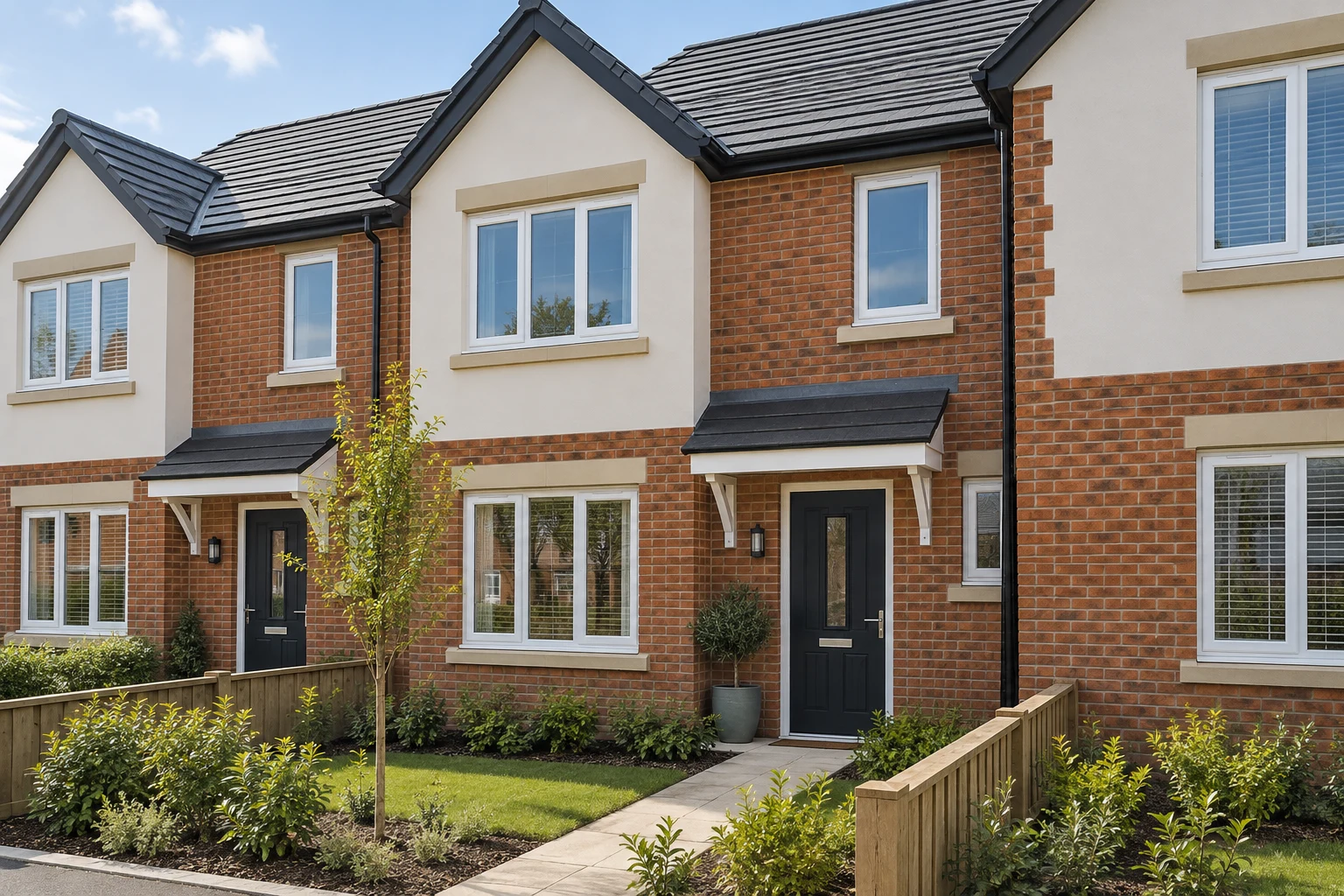
A brand-new build
An independent snagging inspection may be the more useful starting point for identifying defects and unfinished work in a newly built home.
Do not assume the developer's checks or a new-home warranty remove the need for an independent inspection. Warranty cover has conditions, exclusions and time limits. If there are structural concerns, unusual construction or other complications, discuss whether a survey or specialist assessment is also appropriate.
A property you plan to demolish or substantially rebuild
Where the existing building will genuinely be demolished, a standard condition survey may not answer the main questions about your plans. Appropriate structural, site and other specialist advice may be more relevant.
Major renovation is different. If you are retaining and altering the building, understanding its existing condition can be particularly important. A Level 3 survey may be appropriate, alongside any specialist investigations needed.
Where specialist reports have already been commissioned
Existing reports may reduce duplication, but a structural engineer's report and a damp investigation do not automatically assess the roof, services and every other part of the property.
Ask an appropriate professional what those reports cover and what remains unassessed before deciding a general survey would add little value.
When it is most clearly worth it
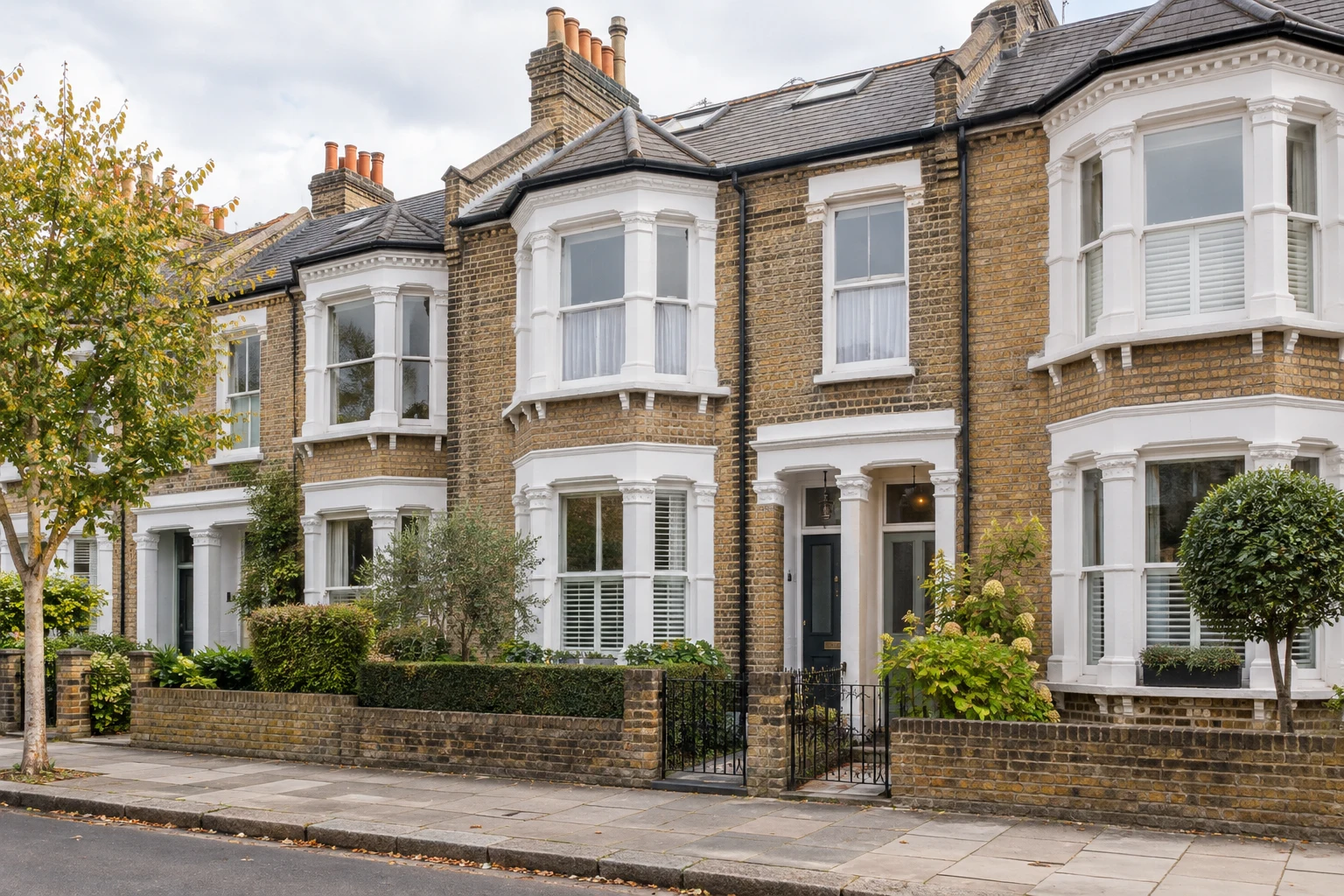
Period property. Much of London's stock is Victorian or Edwardian, built differently from modern housing and with a century or more of alterations and repairs behind it.
Anything altered or extended. Loft conversions, rear extensions and structural openings all raise questions about how the work was done. A surveyor can flag concerns for further investigation, while your conveyancer checks relevant consents and documentation.
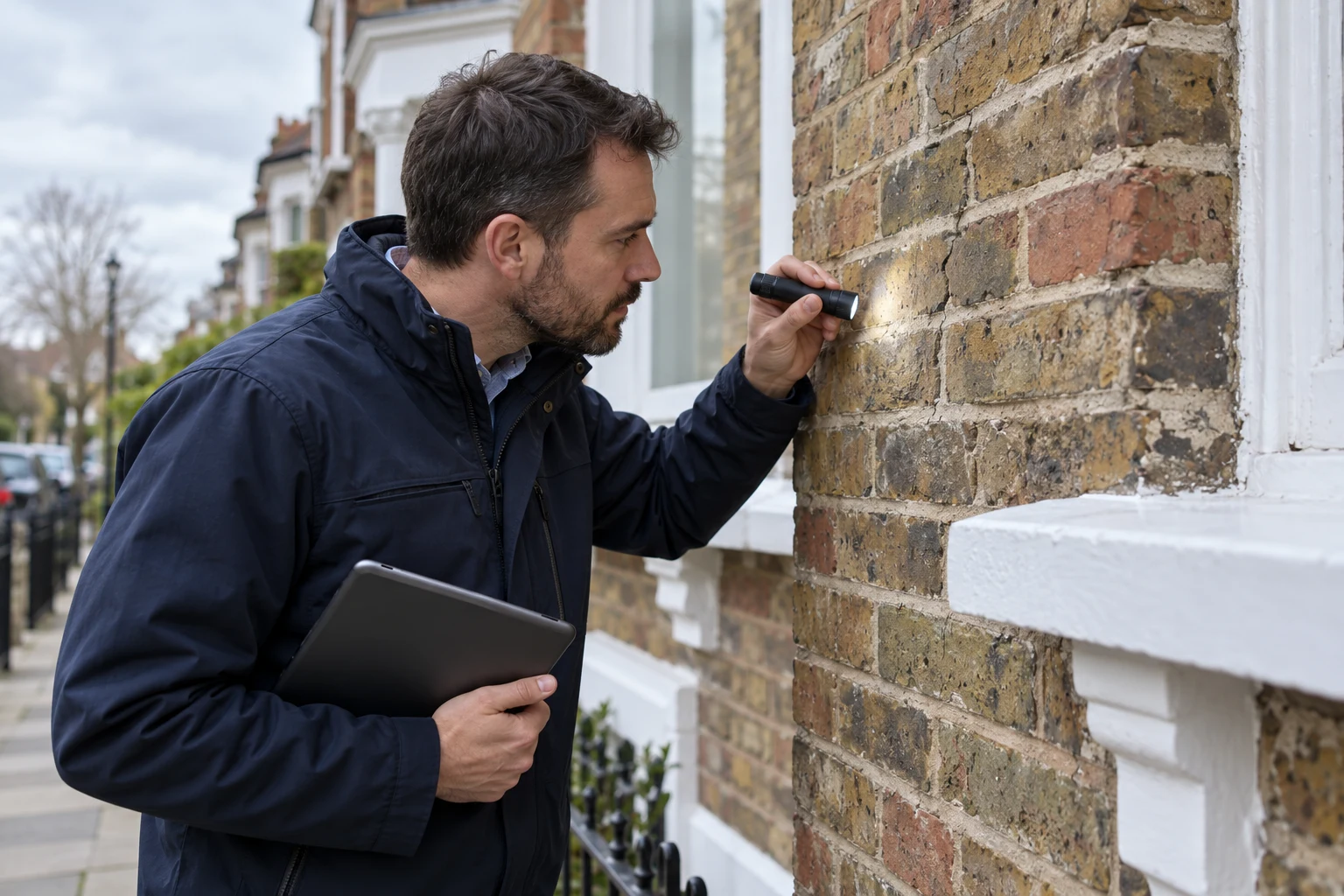
Visible signs of trouble. Cracking, damp staining, a tired roof or a long period standing empty all warrant closer attention.
Flats in converted buildings. The wider building affects your flat, and that relationship is not obvious at a viewing. Check the survey's coverage of accessible communal areas and ask your conveyancer about repair responsibilities and planned major works.
You are financially stretched. If an unexpected £15,000 repair would be a crisis rather than an inconvenience, understanding potential repair needs before committing becomes especially important.
What if the survey finds nothing serious?
You have not wasted the money.
The focus on renegotiation can make buyers feel short-changed by a report with no significant findings. But the thing you were buying was information.
A report identifying no significant problems within the scope and limitations of the inspection is a useful result. It is not a guarantee that the property is defect-free, but it can help you proceed with a better understanding of its condition and, depending on the survey level, future maintenance needs.

Which level, if you decide to go ahead
For most conventional homes in reasonable condition, a RICS Level 2 Home Survey is a common choice. Older, larger, altered or run-down properties, or a purchase where you are planning major works, may point toward Level 3.
If you are weighing the two lower-cost options, our guide to choosing between Level 1 and Level 2 sets out the differences. You can also compare Level 2 and Level 3.
Whatever you are considering, describe the property and your plans to the surveying firm before booking. Ask which level is appropriate and what its proposed service includes.
Frequently asked questions
Can you buy a house without a survey?
Yes. There is no general legal requirement for a buyer to commission a survey in England, Wales or Northern Ireland, although one is strongly recommended. Scotland works differently: sellers generally need to provide a Home Report before marketing, subject to exemptions.
Is a mortgage valuation enough?
A mortgage valuation does not replace a buyer's condition survey. It is carried out for the lender to assess whether the property is adequate security and may not involve a physical inspection.
Is a survey worth it on a new build?
Sometimes. An independent snagging inspection may be the more useful starting point, but structural concerns or other complications may justify a survey or specialist investigation. Developer obligations and warranty cover do not replace independent advice.
What happens if you don't get a survey?
You may proceed without an independent professional assessment of the property's condition. Problems discovered after you become legally committed can be harder to address through the purchase negotiations, and you may need to fund repairs yourself.
Will a survey definitely save me money?
No. It may identify issues you can act on, or it may identify no significant problems within the limits of the inspection. Both outcomes can help you make a better-informed decision before committing.
Is a Level 3 worth the extra cost?
For older, altered, unusual or run-down properties, the more detailed assessment may be worthwhile. For a conventional home in reasonable condition, Level 2 may be appropriate. Ask the surveying firm to recommend a level based on the property and your plans.
Does a survey tell me what repairs will cost?
Not automatically. Some surveyors offer repair cost estimates, particularly with Level 3, but you should confirm this before booking. Obtain contractor quotations for the work identified rather than treating estimates as fixed prices.
Further reading and sources
- RICS — House surveys: the costs, types and benefits of an RICS Home Survey
- RICS Find a Surveyor — RICS Home Survey Level Three
- GOV.UK — How to buy a home
- HomeOwners Alliance — 1 in 3 buyers who had a house survey went on to save money
- Direct Line Home Insurance — One in five homebuyers skip surveys despite £2,600 average saving
- NHBC — Understanding your Buildmark cover
Get a survey quote
Tell us the property type, postcode and condition, and we can help you understand the available survey options and connect you with an independent surveying partner.
The surveying firm can recommend the appropriate level and provide a quote based on the property and your requirements.