Do You Need a Survey on a New Build?
For a newly completed home bought directly from a developer, a snagging inspection is usually the more relevant inspection because it focuses on defects, workmanship and unfinished items. A RICS Home Survey serves a different purpose and may be more appropriate for a newer home that is being bought second-hand or where the property's circumstances justify a broader condition assessment.
The complication is that "new build" covers several very different situations, and they do not all get the same answer.

Which situation are you in?
| Situation | What you usually need |
|---|---|
| Brand new from the developer | Consider a snagging inspection, ideally once the home is finished and, where access is agreed, before completion |
| Off-plan, not yet built | Plan any snagging inspection for when the home is sufficiently complete to inspect |
| Resale within the first two years | Consider an appropriate condition survey and check what developer or warranty cover remains and transfers |
| Resale at five to ten years old | Consider an appropriate condition survey and check the exact remaining warranty or insurance cover |
That third and fourth row is where most of the confusion sits. A four-year-old house is second-hand, whatever the listing calls it.
Brand new: why snagging rather than a condition survey

A RICS Home Survey is a condition-focused service carried out within the RICS Home Survey framework. On a newly completed property, the buyer's immediate concerns are often workmanship, incomplete items and defects associated with construction rather than age-related deterioration, so a snagging inspection may be the more targeted service.
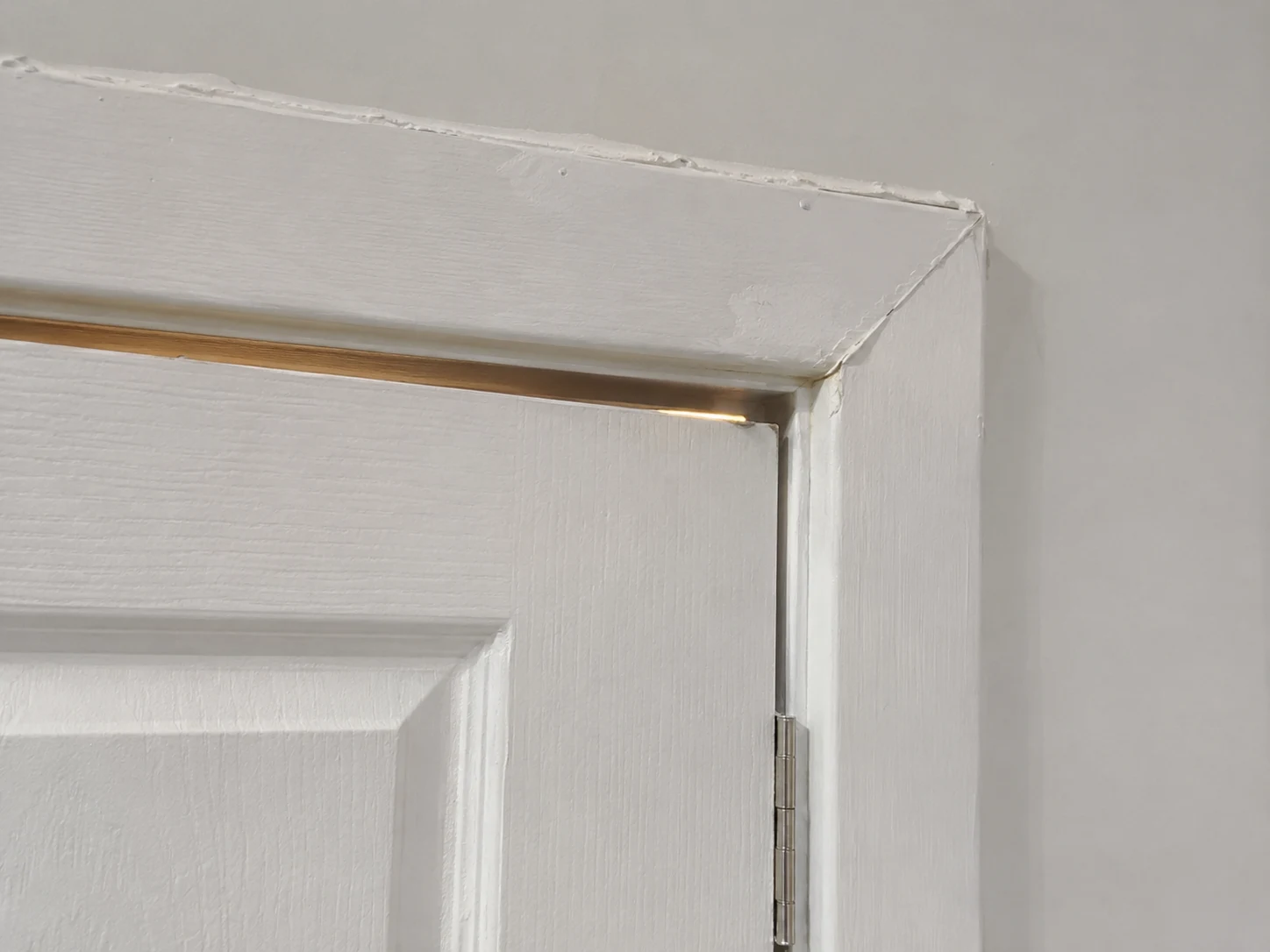
What a new home does have is workmanship: finishes, alignment, things that do not work yet, and things that were never finished. A snagging inspection focuses on those types of issues and produces a record that can be raised with the developer.
If you want to understand the difference properly, our guide to what a condition survey actually covers sets out the scope of each RICS level.
The argument that actually matters
You will read a lot of large numbers about how many defects the average new build contains. The figures circulating range from twenty-odd to over a hundred and fifty, they contradict each other, none of them cites a source, and each one is published by a firm selling the inspection that the number justifies. Treat them as marketing.
A new home may be subject to checks by the developer, building control and a warranty provider, but those checks have different purposes and are not the same as an independent inspection commissioned specifically by the buyer. The case for an independent snagging inspection is that it focuses on the buyer's property and records issues the buyer may wish to raise with the developer.
Timing, and the access problem
The government's guide to buying a home suggests considering an agreement at exchange for a snagging survey to be carried out once the property has been built and prior to completion, then reporting any issues back to the developer to be addressed.
Pre-completion access depends on the developer, the contract and the stage of construction. GOV.UK guidance suggests considering an agreement at exchange for a snagging survey to be carried out once the property has been built and before completion.
If pre-completion access is not available, consider arranging the inspection promptly after completion and report issues in accordance with the developer's and warranty provider's procedures.
What the warranty does and does not do
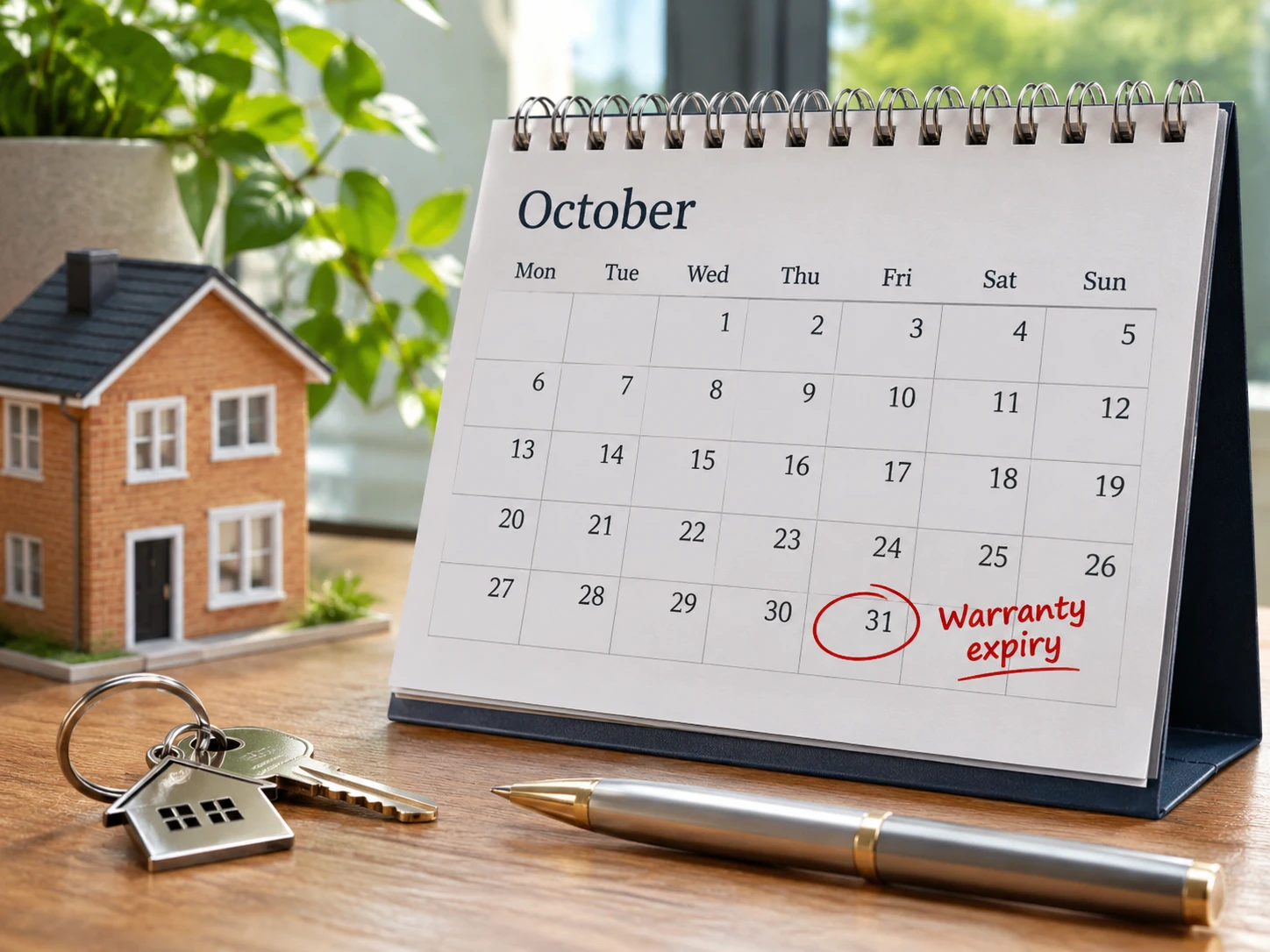
Many new-build homes are sold with a new-home warranty or insurance product. The provider, duration, scope, exclusions and claims process vary, so buyers should obtain and read the actual policy documents for their property.
Some widely used products, including NHBC Buildmark, typically provide a two-year builder warranty period followed by a further period of more limited insurance cover up to the end of a ten-year policy.
Two things to understand about it.
A warranty is not a substitute for inspecting the property. Whether a particular defect is covered depends on the policy terms, the nature of the issue and when and how it is reported. Buyers should follow the notification requirements in their own policy documents.
It may not cover everything. The government's guide warns that a warranty may not cover the whole of the property and any attached land, and advises being clear about what is and is not included before you put down a deposit.
Always check the certificate, policy booklet, exclusions, financial limits and notification requirements that apply to the specific home.
Consumer codes, complaints procedures and ombudsman or redress arrangements may apply depending on the developer, warranty provider and scheme involved. Buyers should check the documentation for their particular development and ask their conveyancer to explain the contractual and legal position.
Buying a newer home second-hand
This is the scenario the internet mostly ignores.
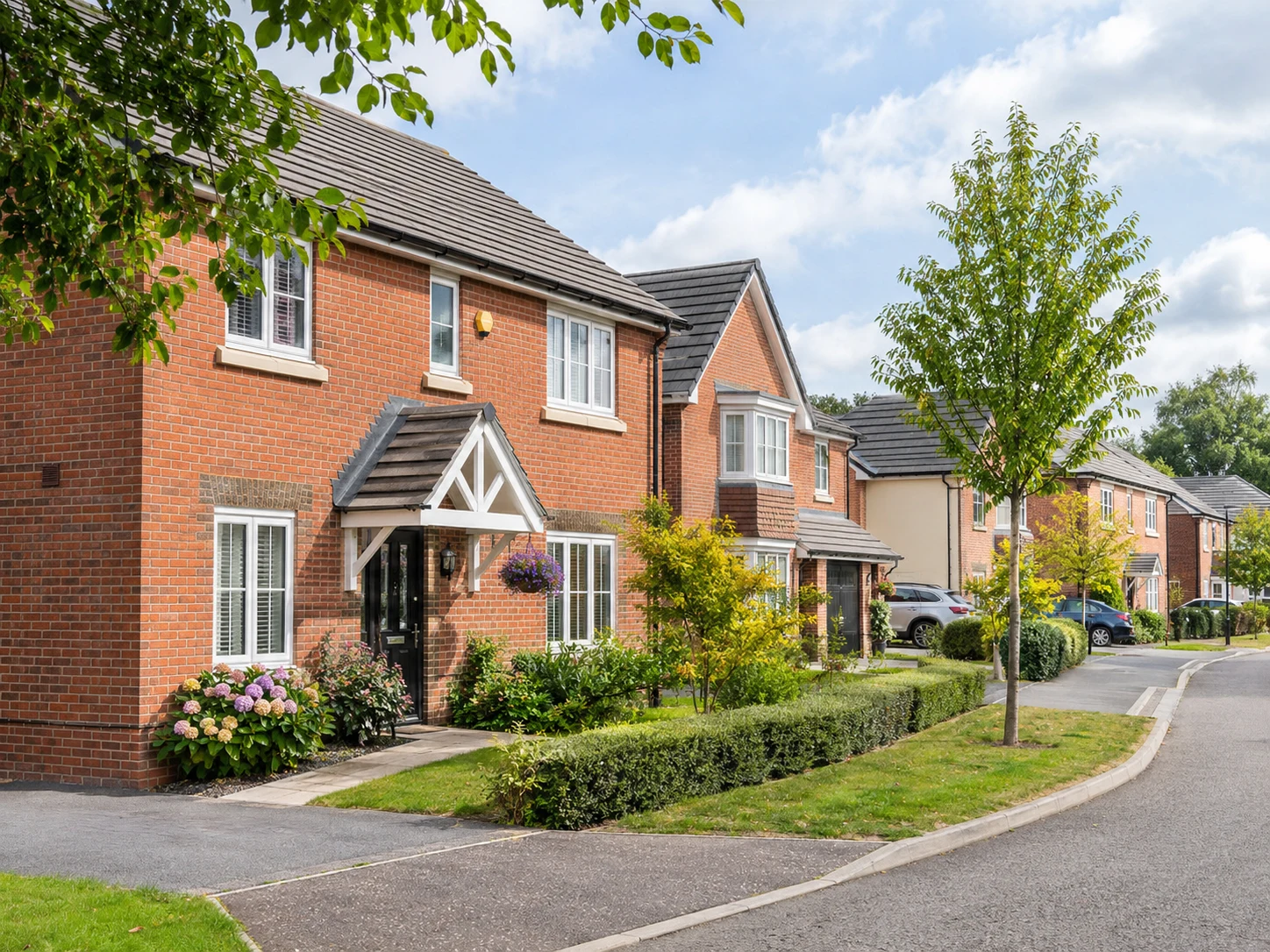
Once a newer home is being bought from an existing owner rather than directly from the developer, it is a resale purchase. Any remaining developer or warranty protection depends on the home's age, provider, policy terms and whether the benefit transfers to the new owner. Buyers should verify the remaining cover rather than assume it continues.
So treat it as you would any other purchase of that age.
For a conventional newer resale property in reasonable condition, a RICS Home Survey Level 2 may often be appropriate. The correct service level should still be based on the individual property's age, size, condition, complexity, originality and any alterations or concerns.
Things worth attention on a newer resale:
- Whether the original snagging list was ever completed
- Alterations made by the first owner, and whether consents exist
- How much of the structural warranty remains, and whether it transfers
- Any defect the first owner reported and did not pursue
Where legal consents or documentary approvals are relevant, the conveyancer should verify them.
The ten-year point
Worth saying on its own, because it catches people out.
If you are buying a home that is approaching the end of its new-home warranty or insurance period, check the exact expiry date and scope of the remaining cover.
Once cover expires, future defects and repairs may fall to the homeowner unless another party remains responsible under a contract, insurance policy or applicable law.
An approaching warranty expiry can therefore be a useful factor when deciding whether to commission a condition survey on a newer resale property.
New build flats
Flats add a layer.
A snagging inspection of a new flat is primarily concerned with the parts of the property within the scope agreed with the inspector.
Responsibility for common parts, external walls, service charges, reserve funds, building safety and the lease should be investigated separately through the conveyancer, managing agent, freeholder and other relevant professionals.
A standard snagging inspection or normal Home Survey should not be presented as a specialist cladding, external-wall-system or building-safety assessment unless that specific service has actually been commissioned.
What it costs, roughly
Fees for snagging inspections and Home Surveys vary by provider, property, location and scope. Compare the service being offered rather than assuming one inspection will always cost less than another.
Our guide to what a survey costs covers the RICS levels.
If you are weighing whether to spend anything at all, our guide to whether a survey is worth the cost treats new builds as one of the few genuine exceptions, and explains where the line falls.
Frequently asked questions
Do you need a survey on a new build?
For a newly completed property bought directly from a developer, a snagging inspection is often the more targeted inspection because it focuses on defects, workmanship and unfinished items. The appropriate inspection still depends on the property and transaction.
Is a snagging inspection the same as a homebuyer survey?
No. They serve different purposes. A snagging inspection focuses on defects, workmanship and unfinished items in a newly completed home. A RICS Home Survey is a condition-focused service whose scope depends on the selected service level.
When should the snagging inspection happen?
GOV.UK guidance suggests considering an agreement at exchange for a snagging survey to be carried out once the property has been built and before completion. Whether pre-completion access is available depends on the developer and contract. If it is not available, consider arranging the inspection promptly after completion.
Does the warranty mean I do not need an inspection?
No. A warranty and an inspection serve different purposes. Warranty cover depends on the individual policy terms, exclusions and notification requirements.
Do I need a survey on a five year old house?
A five-year-old property being bought from an existing owner is a resale purchase. An appropriate condition survey may be sensible, while the buyer should also check what warranty or insurance cover remains and whether it transfers.
Does my lender need a survey?
Your lender may arrange a mortgage valuation for lending purposes. A mortgage valuation is not the same as a buyer-commissioned Home Survey and should not be relied on as a detailed assessment of the property's condition.
Can I do the snagging myself?
A buyer can inspect the property and make their own snagging list. A professional independent inspection may provide a more systematic assessment and documentation, but its scope and limitations should be confirmed before instruction.
Get a survey quote
Tell us when the property was built and whether you are buying from the developer or from an owner, and we will help you understand which type of inspection may be appropriate and connect you with an independent surveyor where relevant.
Important: This guide is for general information only and is not legal, financial, mortgage, insurance, warranty, building-control, structural engineering or surveying advice. New-build contracts, warranty products, developer obligations and individual properties vary. Buyers should review the specific contract and warranty documents for their home and take advice from their own conveyancer, lender or mortgage adviser, warranty provider and appointed inspector or surveyor before making decisions or entering into a legal commitment. An inspection is subject to its agreed scope and limitations and cannot guarantee that every defect will be identified.
Reading this guide or contacting Property Survey Experts does not by itself create a surveyor-client, solicitor-client, insurance, warranty or financial-advisory relationship.